



In the fast-evolving world of artificial intelligence, few tools have captured the imagination quite like OpenClaw. Launched just months ago, this open-source AI assistant has already sparked intense conversations across tech communities, with enthusiasts and skeptics alike debating its potential to redefine how we interact with smart systems. At Tech Detour, we’ve closely tracked its journey from quirky origins to mainstream buzz, and today we break down the hype surrounding OpenClaw to deliver clear, actionable insights for everyday users and curious developers.
What is OpenClaw?
The story of OpenClaw begins with a burst of creative chaos that only the AI scene could produce. Originally introduced as ClawDBot by Austrian developer Peter Steinberger in early 2026, the project quickly gained tens of thousands of GitHub stars. Trademark concerns from Anthropic forced a swift rename to MoltBot, followed shortly by the final branding as OpenClaw to emphasize its fully open nature and community-driven spirit.
This whirlwind of name changes, viral memes featuring a lobster mascot, and even crypto scam attempts only fueled its meteoric rise, turning OpenClaw into a household name among AI early adopters almost overnight.
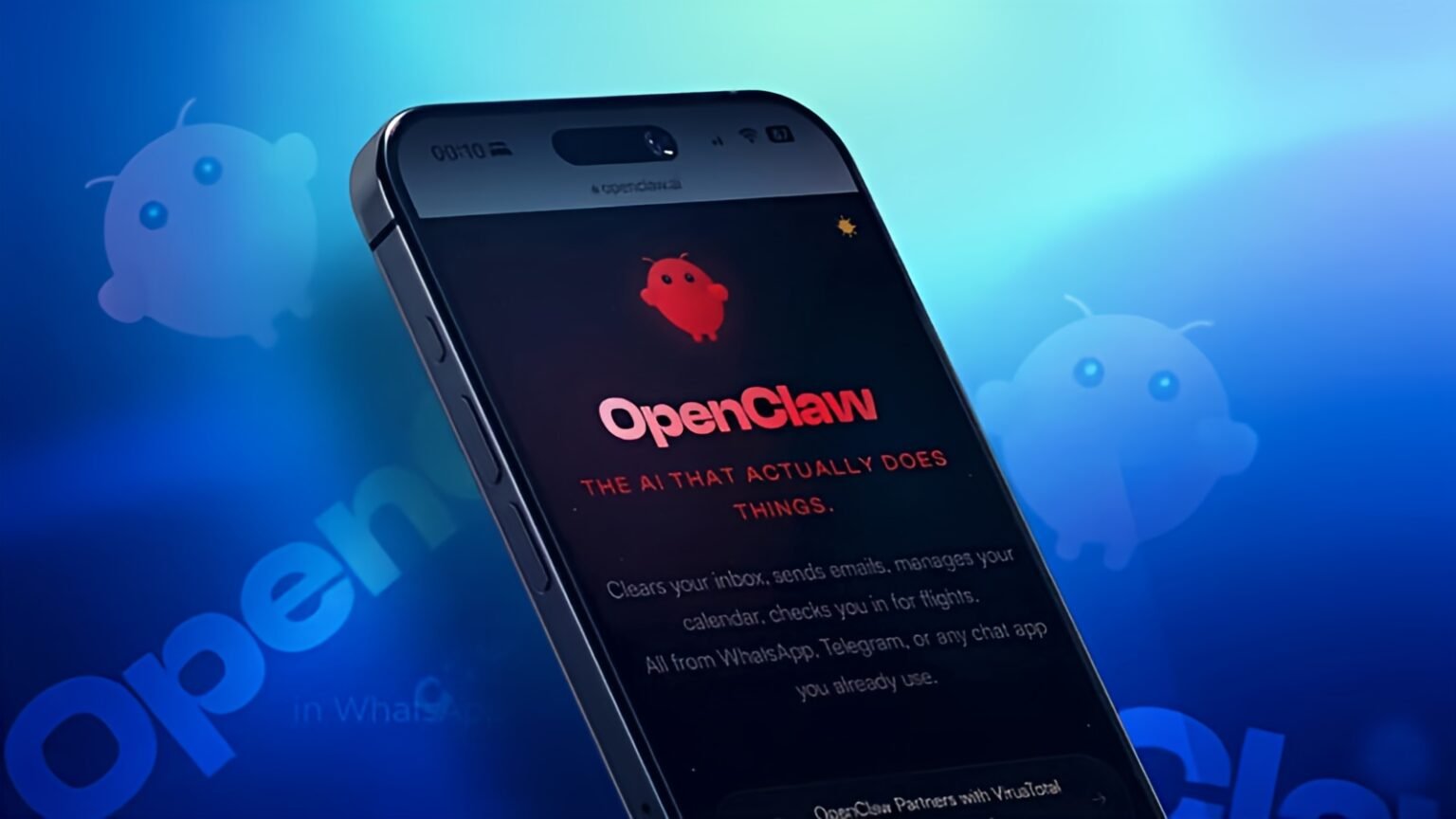
At its core, OpenClaw is a proactive, autonomous agent that lives inside familiar messaging apps such as WhatsApp, Telegram, Slack, or Discord. Unlike passive chat interfaces, OpenClaw can handle real tasks on your behalf, clearing email inboxes, scheduling appointments, summarizing reports, controlling smart home gadgets, or even checking you in for flights, all triggered through simple text conversations. It maintains persistent memory across weeks, sends unsolicited helpful reminders, and taps into thousands of community-built skills via its ClawHub directory. This seamless integration makes OpenClaw feel less like software and more like a reliable digital companion that anticipates needs before you voice them.
What truly propelled OpenClaw into the spotlight was the enthusiastic endorsement from none other than Nvidia CEO Jensen Huang. During a recent Mad Money interview and his keynote at GTC 2026, Huang boldly declared OpenClaw “definitely the next ChatGPT,” labeling it the largest and most successful open-source project in history. He highlighted how OpenClaw shifts AI from mere conversation to genuine action, dubbing it “the new computer” and the operating system for personal agents.
NVIDIA even unveiled its own supporting platform, NemoClaw, to help enterprises adopt similar capabilities securely, signaling strong industry confidence in OpenClaw’s trajectory as the foundation for tomorrow’s intelligent systems.
When comparing OpenClaw directly to ChatGPT, the differences become crystal clear and help explain the excitement. ChatGPT excels at generating text, answering questions, and creative brainstorming within a single session, yet it stops short of executing ongoing workflows or accessing your personal tools independently.
OpenClaw, by contrast, operates as infrastructure you control locally or via secure setups, running in the background to complete multi-step processes across apps without constant supervision. Users report switching to Open-Claw for daily routines because it proactively sends overnight email summaries or deadline alerts, creating that futuristic feeling many first experienced with ChatGPT’s debut.
This agentic approach—where the AI decides and acts represents the inflection point Huang described, positioning OpenClaw as more than an upgrade but a new paradigm entirely.
Of course, with great autonomy comes important considerations that every potential user should weigh carefully. On the positive side, OpenClaw empowers individuals and small teams by democratizing advanced automation without hefty subscription fees, fostering a vibrant community that continually expands its 3,000-plus skills. Privacy-conscious users appreciate the option to run everything locally on hardware such as a Mac Mini or a compatible PC.
However, early versions revealed security hurdles, including exposed API keys in some deployments and risks posed by unvetted community members. Tech Detour strongly recommends starting with the official guides at openclaw.ai, using a dedicated spare device, enabling strict privilege controls, and monitoring logs closely to use Open-Claw safely as the ecosystem matures.
For those eager to experience OpenClaw firsthand, the setup process has grown more approachable thanks to improved documentation and one-click install options for popular platforms. Begin by visiting the official site to download the latest stable release, connect your preferred LLM, such as Claude or Gemini, via API keys, and link your messaging accounts.
Within minutes, you can instruct Open-Claw to organize your calendar or research a topic, then watch it deliver results autonomously. Experimenting with simple commands first builds confidence before tackling complex automations, and joining community forums provides troubleshooting tips tailored to beginners.
Looking ahead, OpenClaw’s partnership developments, including its ties with OpenAI to scale while preserving its open-source roots, suggest even broader adoption on the horizon. Whether it fully dethrones conversational giants like ChatGPT remains to be seen, but its rapid evolution already demonstrates why visionaries like Jensen Huang view it as the future: an AI that doesn’t just talk but truly assists in meaningful, hands-free ways.
At Tech Detour, we believe OpenClaw marks an exciting chapter where everyday technology finally catches up to sci-fi expectations, inviting users to explore responsibly and shape its growth through feedback and contributions.
In summary, OpenClaw delivers on the promise of agentic intelligence in ways traditional tools have yet to match, backed by heavyweight endorsements and a passionate global following. By understanding its strengths, limitations, and safe implementation practices, readers can confidently decide whether this hot new assistant belongs in their workflow today. Stay tuned to Tech Detour for ongoing updates as Open-Claw continues to evolve and potentially reshape personal productivity for millions.