



The long-rumored iPhone Fold is once again making headlines, this time due to speculation about a delayed launch. While Apple has yet to officially confirm the existence of its foldable device, industry insiders and analysts continue to piece together clues about when the highly anticipated iPhone Fold could finally hit the market. According to recent reports, Apple may not release its first foldable iPhone until the end of the year, pushing expectations beyond earlier predictions.
A research note from Barclays analyst Tim Long suggests that the iPhone Fold could arrive as late as December. This timeline differs from previous rumors that pointed to a September launch alongside Apple’s traditional iPhone lineup. If accurate, the delay may be linked to ongoing supply chain challenges that have affected several tech products in recent years. However, it is important to note that such claims remain speculative, as Apple has not made any official announcement regarding the iPhone Fold release date.
Most Apple watchers still believe that the iPhone Fold could debut alongside the next-generation iPhone models, including the iPhone 18 Pro and Pro Max. Apple typically unveils its flagship devices in September, making that window the most logical launch period. Yet, conflicting reports highlight the uncertainty surrounding the iPhone Fold, reinforcing the idea that Apple is taking its time to perfect the product rather than rushing it to market.
Interestingly, the same analyst also hinted at the possible return of the iPhone Plus model in future lineups, despite it being replaced by a slimmer alternative. While these predictions add intrigue, they have also drawn skepticism from industry observers who point out that past forecasts have not always been accurate. This has led many to treat current iPhone Fold rumors with cautious optimism.
Despite the uncertainty, one thing is clear: Apple’s entry into the foldable market feels inevitable. Competitors have already made significant progress in this space, with companies like Samsung, Motorola, Google, and OnePlus launching their own foldable devices. Popular models such as the Galaxy Z Fold series and other foldables have gained traction, setting a high bar for Apple’s eventual entry with the iPhone Fold.
Being late to the foldable race may seem like a disadvantage, but Apple has a history of entering markets later and still dominating them. Analysts believe the iPhone Fold could significantly disrupt the current landscape once it arrives. Research firms suggest that Apple’s foldable device could quickly capture a substantial share of the market, thanks to its loyal user base and ecosystem advantages.
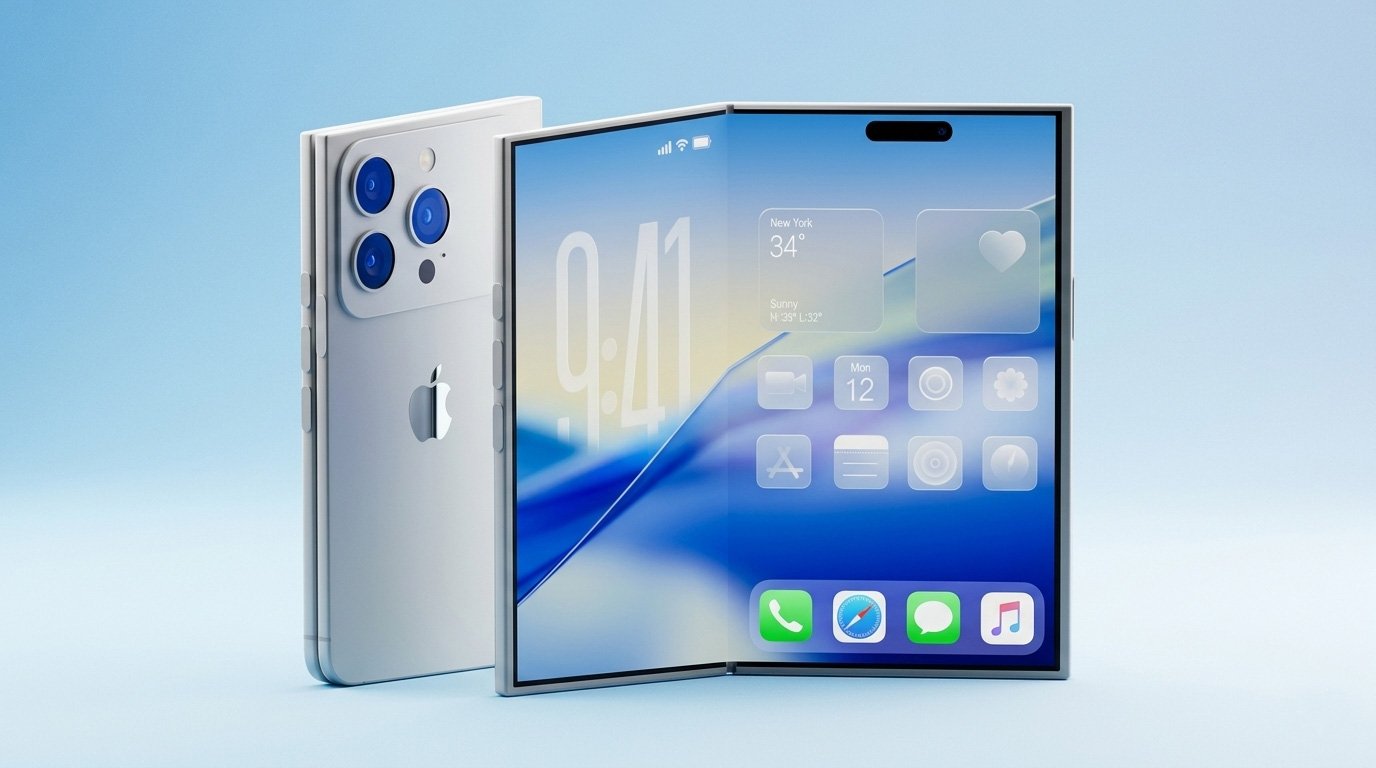
Design speculation surrounding the iPhone Fold is another reason for growing excitement. Reports indicate that Apple may introduce a unique foldable design that resembles two iPhones connected by a seamless hinge. One of the most anticipated features is a crease-free display, a persistent challenge for other foldable smartphones. If Apple manages to eliminate the visible crease, the iPhone Fold could set a new standard for durability and visual quality.
Additionally, Apple is expected to focus heavily on software optimization to ensure that iOS adapts smoothly to a foldable form factor. This could include enhanced multitasking, improved app scaling, and a more intuitive user experience. Such refinements would help the iPhone Fold stand out in an increasingly competitive segment.
Ultimately, while rumors about delays and features continue to circulate, the iPhone Fold remains one of the most anticipated devices in the tech world. Whether it launches in September or December, Apple’s foldable iPhone has the potential to redefine expectations and reshape the industry. Until then, consumers and analysts alike will continue watching closely for any official updates from Apple regarding the iPhone Fold.
Top 10 iPhone Fold Specifications
1. Foldable Dual Display Design
The iPhone Fold is expected to feature a book-style foldable design with a large inner display (~7.8 inches) and a smaller outer screen (~5.5 inches), offering both smartphone and tablet-like experiences.
2. Crease-Free OLED Display
Apple may use advanced Samsung OLED panels with near-crease-free technology, solving one of the biggest issues with foldable phones.
3. Powerful A20 Pro Chip (2nm)
The iPhone Fold is rumored to run on Apple’s A20 Pro chipset, built on a 2nm process, delivering faster performance and improved energy efficiency.
4. 12GB RAM with Advanced Packaging
Leaks suggest 12GB RAM with new WMCM packaging, integrating CPU, GPU, and AI processing for smoother multitasking and performance.
5. Large 5,000–5,500mAh Battery
The device may include a massive battery (for an iPhone) ranging from 5,000 mAh to 5,500 mAh, optimized for foldable power demands.
6. Dual 48MP Camera System
The iPhone Fold is expected to feature:
- 48MP main camera
- 48MP ultra-wide camera
- This setup aims to deliver flagship-level photography.
7. Touch ID Instead of Face ID
Due to space constraints, Apple may remove Face ID and replace it with side-mounted Touch ID for authentication.
8. Premium Hinge with Liquid Metal
A liquid metal or titanium hinge is rumored, making the iPhone Fold more durable and reducing display creasing over time.
9. Ultra-Thin Build
Expected thickness:
- ~4.5–4.8mm unfolded
- ~9–9.5mm folded
- This would make it one of the thinnest foldable phones ever.
10. High Storage Options (Up to 1TB)
Storage variants may include:
- 256GB
- 512GB
- 1TB
- Providing plenty of space for power users and professionals.
iPhone Foldable Smartphone
The iPhone Fold is shaping up to be a premium, high-performance foldable smartphone designed to compete with the best in the market. With cutting-edge hardware, a crease-free display, and Apple’s ecosystem, it could redefine foldable devices once it officially launches.