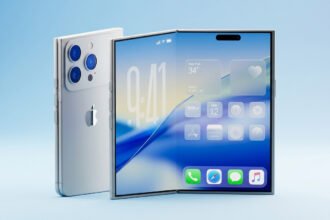



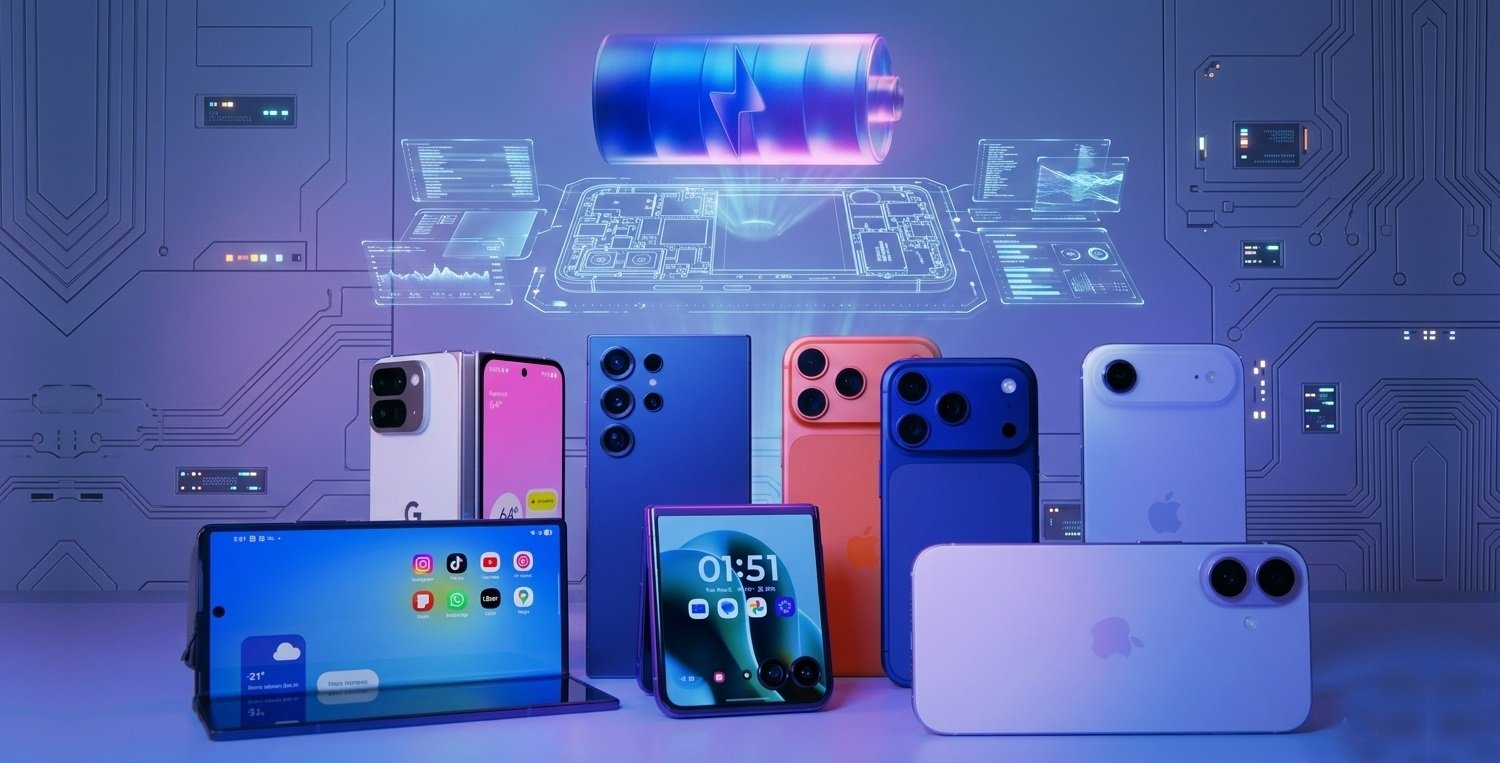
Apple’s iPhone 17 Pro is undeniably a polished, high-performance smartphone. Equipped with the efficient A19 Pro chip and a 4,252 mAh battery, it delivers solid real-world endurance and places fourth overall in CNET’s 2025 large-scale battery benchmark across 35 devices. Yet for power users, travelers, and anyone who dreads the low-battery warning, the Android world offers serious competition.
Several Android phones with more battery life than the iPhone 17 Pro are available today, many equipped with next-generation silicon-carbon (Si-C) battery technology that allows manufacturers to pack significantly larger capacities into slim, flagship-grade bodies without sacrificing style or performance.
At Tech Detour Gadget Guide, informed buyers make better decisions. That is why we have rounded up the 10 best Android phones that genuinely outlast the iPhone 17 Pro, breaking down their battery specs, charging speeds, and what makes each one worth considering.
Why the iPhone 17 Pro Falls Short on Raw Battery Capacity
Before diving into the list, it helps to understand the context. Apple continues to rely on conventional graphite-anode battery chemistry, which is stable and consistent over many charge cycles but limits the amount of energy that can be packed into a given space.
Android manufacturers like Oppo, OnePlus, and Xiaomi have rapidly adopted silicon-carbon anodes, which can store more lithium ions by weight, enabling much larger capacities in comparable form factors. This technology gap is one of the primary reasons there are now many Android phones with more battery life than the iPhone 17 Pro, even at a similar or lower price point.
1. Oppo Find X9 Pro, 7,500 mAh
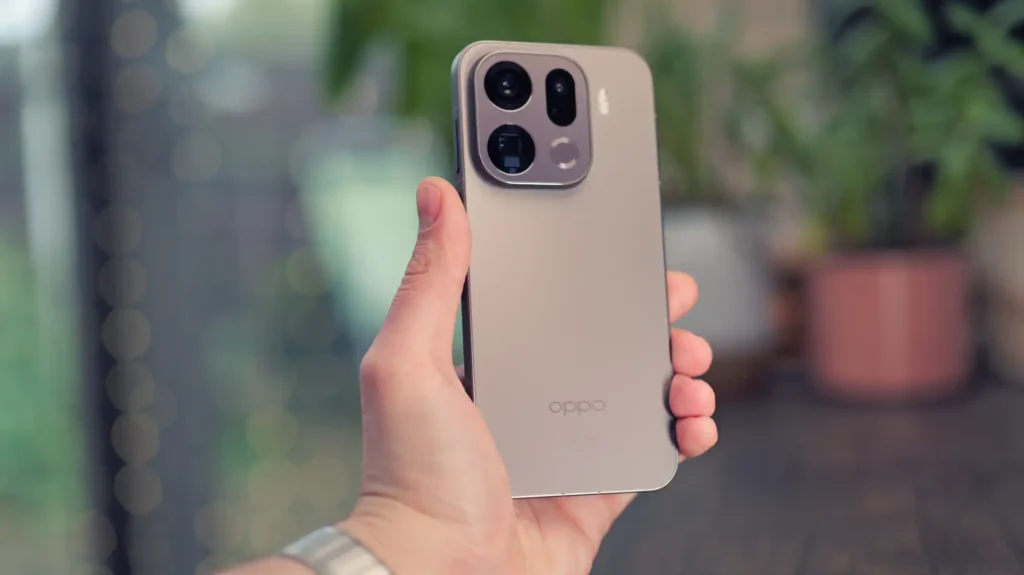
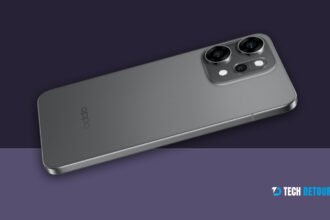
The Oppo Find X9 Pro stands as one of the most compelling Android phones with more battery life than the iPhone 17 Pro available today. Its massive 7,500 mAh silicon-carbon battery reportedly allows some users to stretch usage across multiple days. The silicon-carbon anode technology is the key differentiator. Silicon stores far more lithium ions per gram than graphite, allowing Oppo to deliver this extraordinary capacity without making the handset uncomfortably thick. Paired with 80-watt SuperVOOC wired charging, the Find X9 Pro can go from 1% to 100% in approximately 1 hour, already faster than Apple’s charging speeds. Real-world testing confirms it surpasses the iPhone 17 Pro in calling, browsing, and video streaming, with only gaming sessions producing a slightly closer race.
2. OnePlus 15, 7,300 mAh
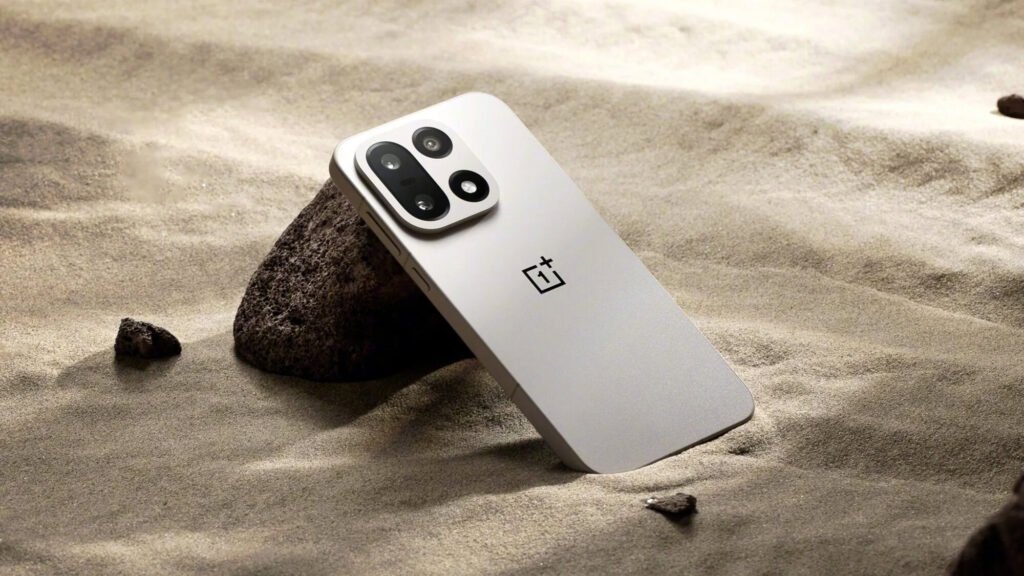
Released globally in late 2025, the OnePlus 15 earns its place among the top Android phones, thanks to its 7,300 mAh silicon-carbon battery, nearly double the iPhone 17 Pro’s capacity. It is engineered with two 3,650 mAh cells, enabling a larger total capacity within a compact flagship footprint. Reviewers have noted that it is possible to end a full day of heavy use with up to 60% of the battery remaining, making a two-day usage cycle realistic for moderate users. The OnePlus 15 supports 80-watt wired charging and 50-watt wireless charging, and it is powered by the Snapdragon 8 Elite Gen 5 processor paired with 16 GB of RAM. Its 6.78-inch OLED display with a 165 Hz refresh rate rounds out an impressive all-around package.
3. iQOO 15, 7,000 mAh
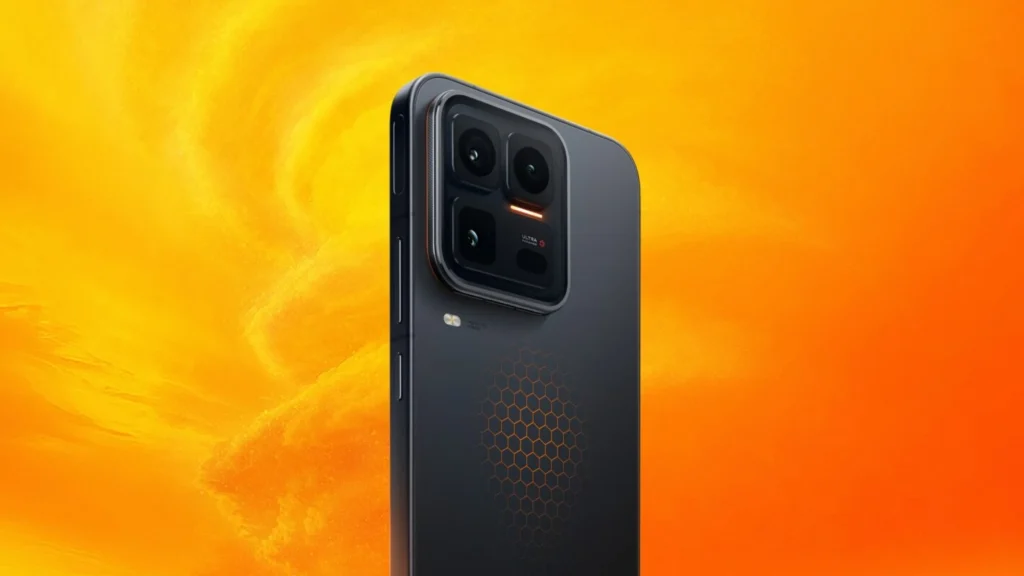
The iQOO 15, launched in late 2025, is another outstanding example of an Android phone with more battery life than the iPhone 17 Pro. Its 7,000 mAh silicon-carbon battery consistently enables it to outlast Apple’s flagship in real-world tests. The device also outperforms the iPhone 17 Pro in benchmark scores, posting higher numbers on both Geekbench and 3DMark’s Wild Life Extreme test, driven by the same Snapdragon 8 Elite Gen 5 chip. Its 6.78-inch display offers a resolution of 1440 x 3168 and a 144 Hz refresh rate, alongside twice the peak outdoor brightness of the iPhone. For users who want raw performance and battery endurance without compromise, the iQOO 15 delivers on both fronts.
4. Vivo X300 Pro, 6,510 mAh
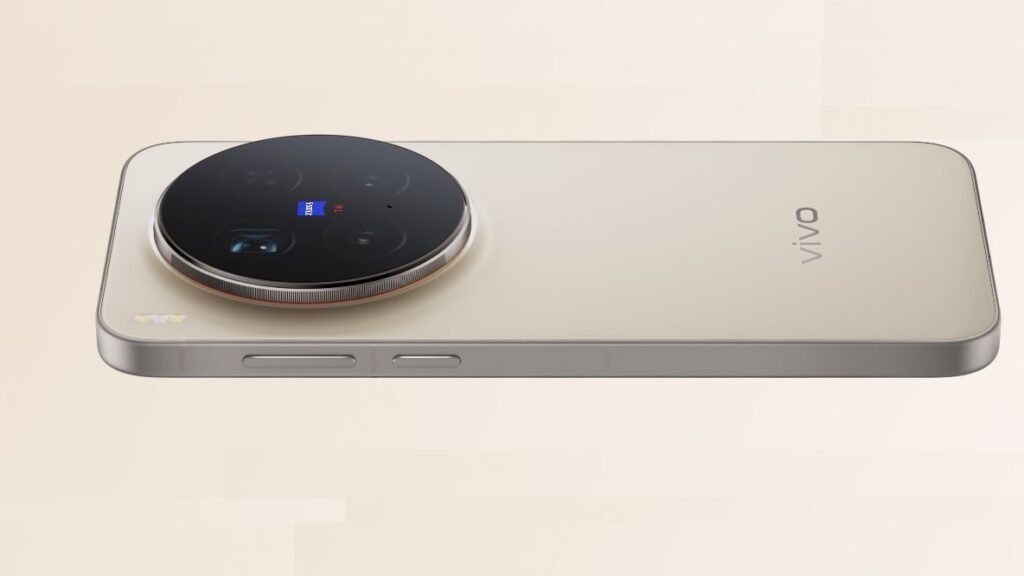
The Vivo X300 Pro, part of the late-2025 release cycle, is a camera-focused flagship that happens to carry a 6,510 mAh battery significantly larger than the iPhone 17 Pro’s cell. Vivo has equipped it with 90-watt wired charging and 40-watt wireless charging, meaning the phone can go from zero to full in under 50 minutes. This combination of fast replenishment and high capacity makes it a genuinely practical choice for users who want Android phones with more battery life than the iPhone 17 Pro without sacrificing photographic capability. The X300 Pro is designed to compete at the top tier of Android camera performance while maintaining all-day-plus endurance.
5. Xiaomi 15 Ultra, 6,100+ mAh
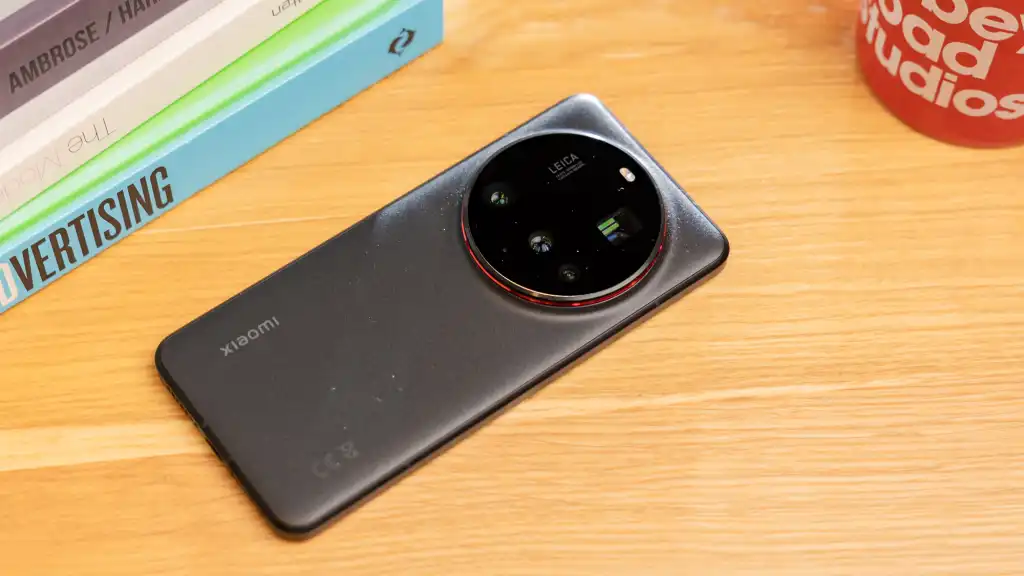
Xiaomi’s flagship Ultra line has consistently pushed battery technology forward, and the Xiaomi 15 Ultra is no exception. With a large silicon-carbon battery exceeding 6,100 mAh, it pairs class-leading endurance with a 1-inch type main camera sensor and a Dolby Vision display. Thermal management has been a particular area of focus for Xiaomi, ensuring that high-end media consumption and gaming do not disproportionately drain the battery. For readers at Tech Detour Gadget Guide who prioritize photography alongside all-day stamina, the Xiaomi 15 Ultra represents one of the most capable Android phones with more battery life than the iPhone 17 Pro in this tier.
6. Samsung Galaxy S26 Ultra, 5,000 mAh
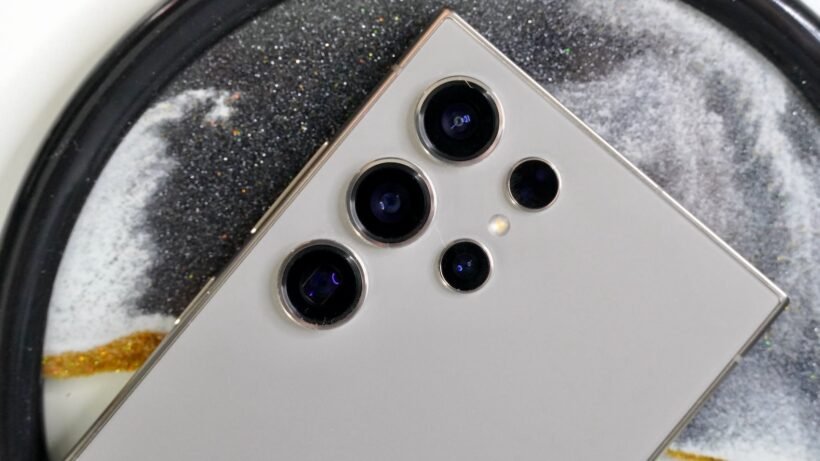
Samsung has historically been conservative with battery sizes, particularly after the Galaxy Note 7 safety incident years ago. However, the Galaxy S26 Ultra features a 5,000 mAh battery, which, while on paper matching the iPhone 17 Pro Max rather than the iPhone 17 Pro directly, consistently beats the iPhone 17 Pro (4,252 mAh) in early real-world endurance tests. Combined with 60-watt wired charging, which is significantly faster than Apple’s current offering, and the Snapdragon 8 Elite Gen 5 chip, the S26 Ultra manages its power resources efficiently. It also introduces a notable privacy display feature, a 200 MP main camera, and a 50 MP periscope lens, making it a premium all-rounder and a strong contender among Android phones with more battery life than the iPhone 17 Pro in the Samsung ecosystem.
7. Asus ROG Phone 9 Pro, 5,800 mAh
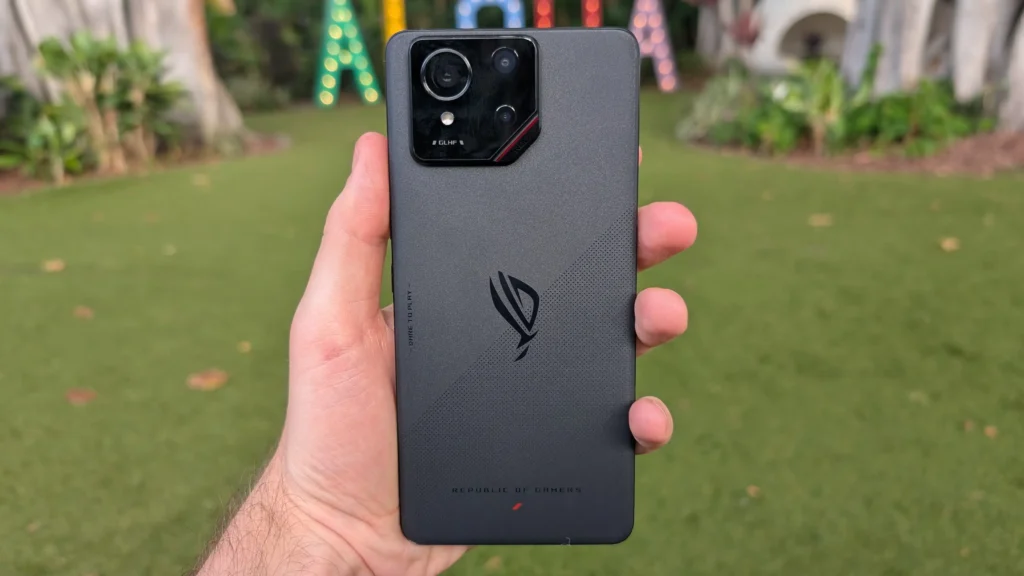
Asus’s ROG Phone line has always catered to mobile gamers, and the ROG Phone 9 Pro is no exception. Its 5,800 mAh battery is nearly 1,550 mAh larger than the iPhone 17 Pro’s, and the phone’s Snapdragon 8 Elite chipset running at up to 185 Hz on its 6.78-inch AMOLED display squeezes impressive efficiency from that capacity. The ROG Phone 9 Pro supports 65-watt wired charging and 15-watt wireless charging. In various head-to-head tests, it outperforms the iPhone 17 Pro in call time and some browsing scenarios, making it a legitimate entry in the category of Android phones with more battery life than the iPhone 17 Pro. It does come with a caveat: Asus currently offers only two major Android OS updates, so it is better suited to buyers focused on the near-term experience.
8. OnePlus 15R, 6,400 mAh
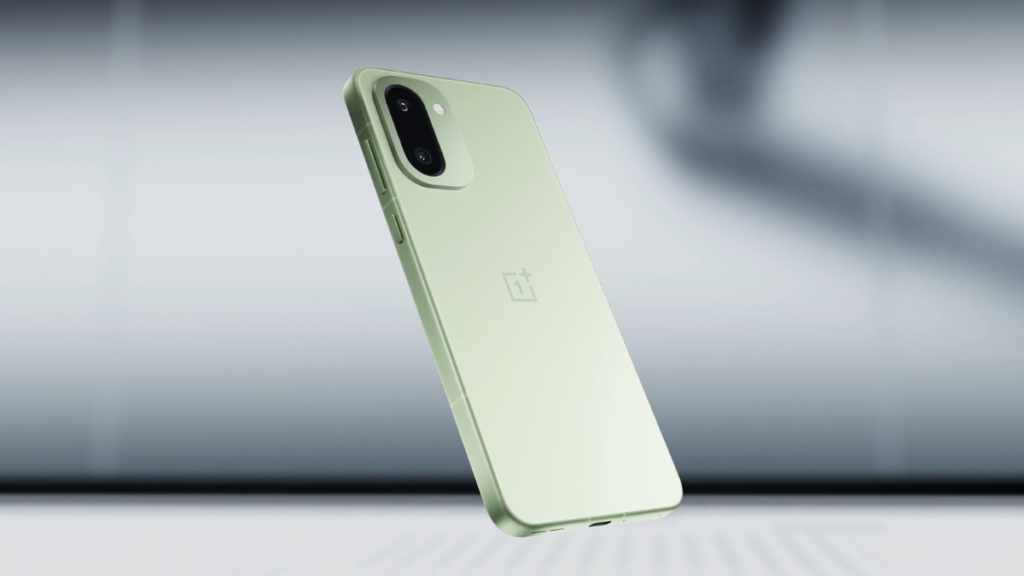
The OnePlus 15R bridges the gap between the flagship OnePlus 15 and the mid-range market, offering a 6,400 mAh battery at a more accessible price. It supports 80-watt SUPERVOOC fast charging, bringing it in line with its more expensive sibling in terms of replenishment speed. While its processor is a step down from the flagship tier, its battery advantage over the iPhone 17 Pro remains substantial. For buyers who want an Android phone with longer battery life than the iPhone 17 Pro without paying Ultra prices, the OnePlus 15R is an excellent value proposition.
9. Xiaomi 15T Pro, 5,500 mAh
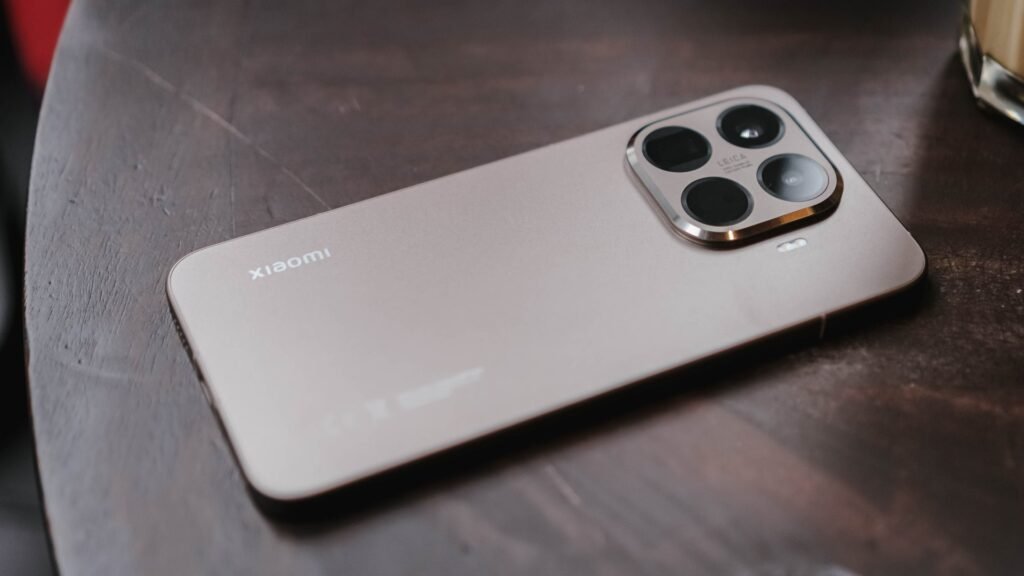
The Xiaomi 15T Pro offers a 5,500 mAh battery with support for 90-watt wired charging and 50-watt wireless charging. Powered by the MediaTek Dimensity 9400+ processor, it delivers strong real-world battery test results, outperforming several Snapdragon-based flagships in endurance benchmarks according to PhoneArena testing. Its 6.83-inch AMOLED display with a 144 Hz refresh rate and 3,200 nits of peak brightness is one of the brightest panels available in 2025. While it is not officially sold in the US market through mainstream retailers, it remains highly accessible globally. It firmly belongs among Android phones with more battery life than the iPhone 17 Pro for users in markets where it is available.
10. Google Pixel 10 Pro, 4,700+ mAh
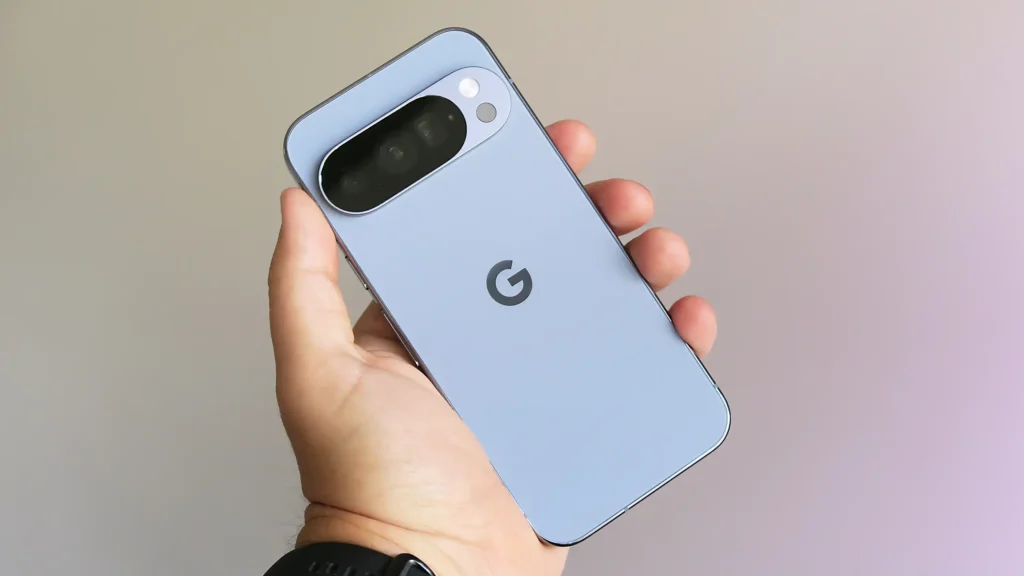
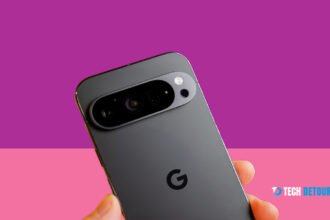
Google’s Pixel 10 Pro may offer the most iOS-like experience on this list, thanks to its software polish and update longevity. Yet, it still manages to outperform the iPhone 17 Pro in battery endurance tests. Its battery capacity exceeds 4,700 mAh, and Google’s Tensor G5 chip has been specifically optimized to balance AI processing workloads with power efficiency. In CNET’s 2025 endurance benchmark tests, the Pixel 10 Pro performed particularly well, especially in the 45-minute stress test involving gaming, video streaming, social media scrolling, and a video call. With 7 years of OS and security updates, the Pixel 10 Pro is one of the safest long-term investments among Android phones, offering more battery life than the iPhone 17 Pro.
A Note on Battery Technology: Why Silicon-Carbon Matters
The majority of the phones on this list owe their capacity advantage to silicon-carbon (Si-C) battery technology. As noted throughout this guide, silicon anodes can store significantly more lithium ions per gram than the graphite anodes Apple currently uses. This means manufacturers can achieve a 6,000–7,500 mAh capacity within a body that is no thicker than a conventional flagship. Apple has remained cautious about adopting Si-C technology, citing the superior cycle-life stability of graphite batteries as a legitimate concern for users who keep their phones for three or more years. However, for buyers upgrading annually or every two years, the raw capacity advantage of these Android phones, with longer battery life than the iPhone 17 Pro, is difficult to ignore.
Fast Charging: Another Area Where Android Pulls Ahead
Beyond capacity, charging speed is another critical dimension of battery experience. The iPhone 17 Pro supports up to 25-watt MagSafe wireless charging and modest wired speeds. By contrast, phones like the OnePlus 15 and Vivo X300 Pro support 80–90 watts of wired charging, getting from empty to full in under an hour. Even Samsung, historically slower to adopt aggressive charging, now offers 60 watts on the Galaxy S26 Ultra. This means that even when an Android phone’s battery does run low, it spends far less time tethered to a cable.
Tech Detour’s Expert Opinion
The iPhone 17 Pro is a remarkable device, and its fourth-place finish in CNET’s extensive battery tests proves it is no slouch in real-world endurance. But the Android landscape in 2025 and early 2026 has moved decisively ahead in sheer battery capacity, charging speed, and silicon-carbon adoption. Whether you prioritize raw multi-day stamina from the Oppo Find X9 Pro and OnePlus 15, camera-centric endurance from the Vivo X300 Pro and Xiaomi 15 Ultra, or the software polish of the Pixel 10 Pro, there is no shortage of Android phones with more battery life than the iPhone 17 Pro to suit every use case and budget.
For more detailed comparisons, reviews, and buying guides, keep following Tech Detour Gadget Guide, your go-to source for navigating the ever-evolving world of smartphones and gadgets.