

A report has found Australia could have deployed a variety of technologies to enforce its Social Media Ban for under-16s, but they all come with risks or flaws.
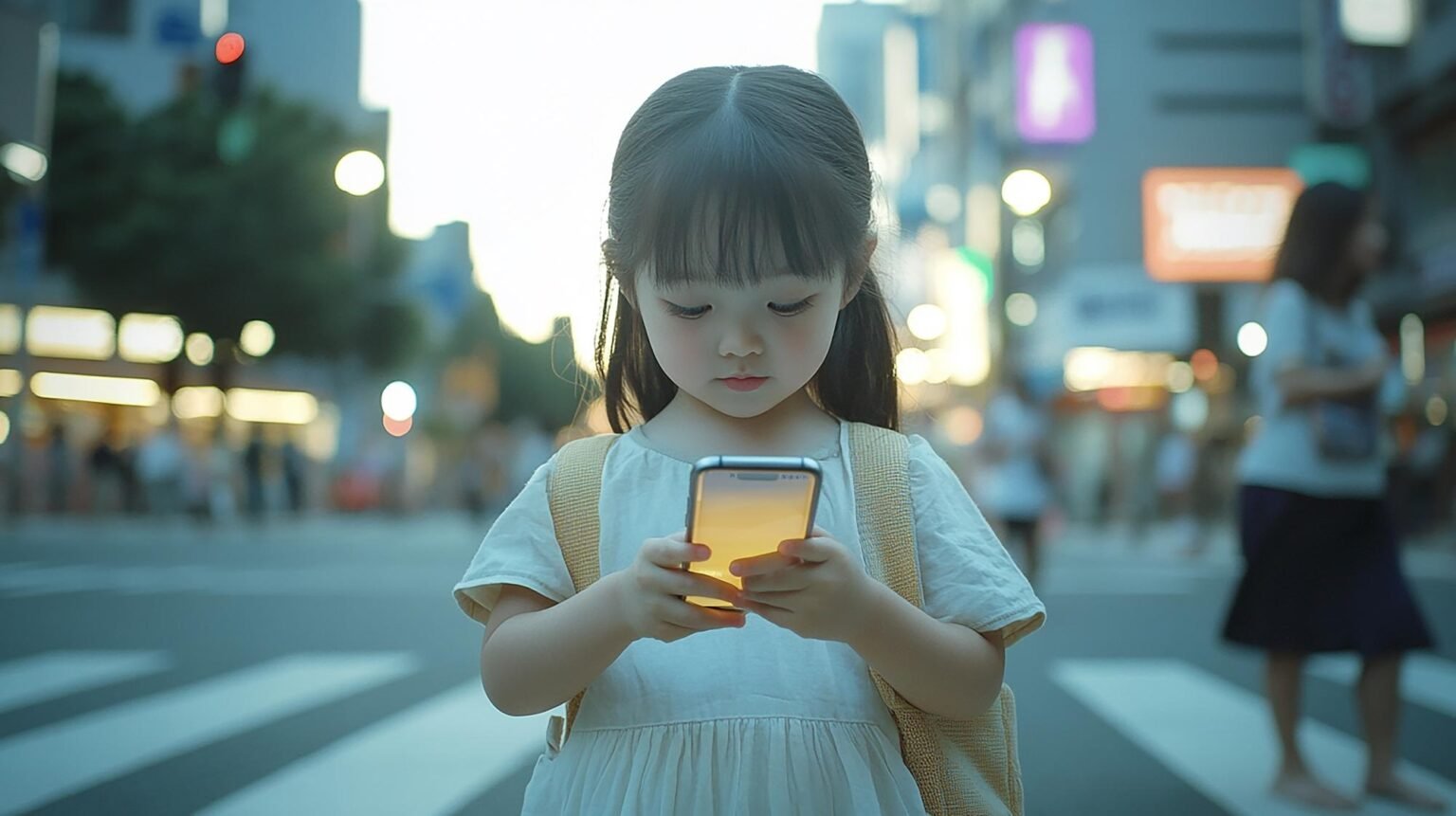
Social media use is claimed to have detrimental effects, and authorities state that its temporary Social Media Ban, which begins in December, aims to reduce social media’s unhealthy effects. It is being referred to as a world first and is being closely watched by leaders around the globe.
Accordingt o the report by BBC, the new laws require platforms to take “reasonable steps” to ensure that children in Australia are not able to sign up to their sites, and to deactivate those that are still active.
The shift has been embraced by many parents, though experts had raised red flags amid data concerns and over the accuracy of age verification technology.
In the final report published on Sunday, the UK-based Age Check Certification Scheme had been commissioned by the federal government to trial the methods in which Australia could potentially implement the ban.
The review analyzed different approaches – that included formal verification from government records, parental consent, or use of tech to assess age via facial shape, movements, or actions – and concluded all were technically feasible.
“We didn’t find a one-size-fits-all solution to work in every use case, outside of so-called ‘black box’ solutions that were guaranteed to be ineffective in any deployment,” it added.
Identity documents were given as accurate methods for verification; however, the report mentioned worries regarding the platforms retaining such data for longer than necessary, and they were also planning to share them with authorities, which would put users’ privacy at risk.
Around the world – Australia included – the last few years have been punctuated by a spate of high-profile data breaches, some involving sensitive personal information being stolen and sold or published.
The facial assessment technology achieved 92% accuracy for individuals 18 or above, but there is a “Buffer Space” where it is less accurate, around two to three years either side of the age of 16. This could result in false positives (clearing kids for accounts) and false negatives (blocking users who should otherwise get through), the report added.
Parental approval methods also raise privacy and accuracy issues, it said.
The report suggested that the approaches should be “nested” to form the strongest system, and noted that several of the tech providers were assessing ways to combat get-arounds, such as document forgery and VPNs (virtual private networks), which hide the user’s location.
Communications Minister Anika Wells said the report made it clear there was “no silver bullet” and that age checks could be “discreet, seamless and effective”.
“These are some of the biggest profit generators on the planet. They are leading the charge in AI. They monetize data we provide them for a range of commercial purposes. It’s not unreasonable to expect them to use that very same data and tech to keep kids safe online,” she said in comments to reporters on Monday.
A combination of age assurance methods could be built into social media platforms fast, so there is no excuse for it not to be ready for 10 December,’ she added.
The ban allows the tech companies to impose fines of up to A$50m (£27.4m; $32.5m) for failing to take “reasonable steps” to prevent under-16s holding accounts. The steps for doing this are yet to be determined.
The affected platforms include Facebook, Instagram, Snapchat, and YouTube.
Australia Poll: Most people support a social media ban for youngsters under 16. But some mental health advocates worry that the policy could create a barrier for kids trying to seek connection in a time of mental health crisis, and others say that it could drive children under 16 to even less regulated parts of the internet.
So they recommend the government direct its efforts towards tighter policing of harmful material on social networks and helping children to prepare for life online.