
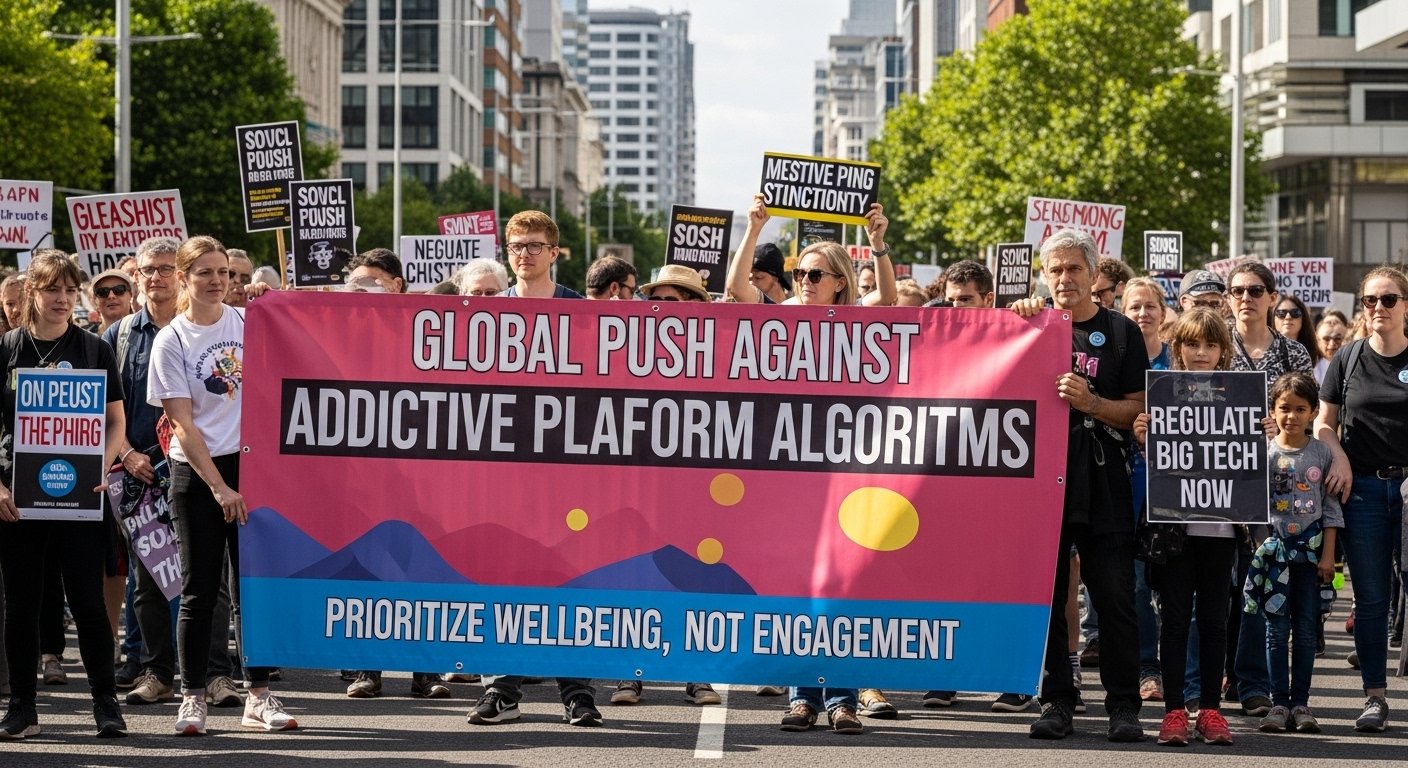

Governments around the world are increasingly focusing on the hidden mechanisms that make social media addictive. The UK has recently announced a major crackdown on features designed to keep users, especially children, hooked online. On 16 February 2026, Prime Minister Sir Keir Starmer emphasized that no platform will get a free pass, signaling a new era of regulation aimed at reducing toxic design and protecting mental health.
Targeting Addictive Features
The UK government has identified several social media tools that encourage compulsive use. Infinite scrolling keeps content appearing endlessly without natural stopping points, making it easy for users to spend hours online. Streaks reward daily engagement and create pressure to log in consistently. Notification loops use psychological triggers to keep young users constantly checking their devices. By targeting these features, regulators hope to reduce the risks associated with prolonged screen time and compulsive app use.
New Regulatory Measures
Several legislative and regulatory initiatives are being fast-tracked to enforce safer online spaces. One proposal under discussion is an under-16 social media ban similar to the system in Australia, which would restrict children from using platforms such as TikTok, Snapchat, and Instagram. AI chatbot providers will also face stricter rules under the Online Safety Act, closing a loophole that previously allowed minors to access these tools. Jools’ Law, named after a 14-year-old, requires tech companies to preserve a child’s data for five days in the event of their death, assisting families in understanding the circumstances. These measures are designed for rapid enforcement, allowing the government to act within months rather than waiting years for new legislation.
Ofcom and Enforcement
The media regulator Ofcom will be the primary watchdog for these new rules. Under the Online Safety Act 2023, it has the authority to impose fines up to £18 million or 10% of a company’s global turnover for non-compliance. Current Ofcom codes of practice already require platforms to assess the risks associated with their algorithms and design features. The new crackdown strengthens these requirements, ensuring social media companies prioritize safety, particularly for younger users.
Implications for Tech Companies
For technology firms, these changes signal the need for a rethink in how platforms are designed. Features once considered engaging might now be deemed risky if they encourage compulsive behavior. Companies will need to develop innovative ways to maintain user engagement without relying on addictive elements. This shift could spark a wave of creativity in creating social platforms that are compelling but safer for all users. Globally, regulators are taking notice, and similar rules may emerge in other countries in the coming years.
What Users Can Expect
For parents and guardians, these measures could provide new ways to manage children’s screen time and exposure to addictive design. Users in general may notice fewer manipulative design patterns on major social platforms, making online experiences more intentional rather than compulsive. The crackdown also reinforces the idea that digital wellbeing is a priority, not just a suggestion, for tech companies everywhere.
FAQs
Which social media features are most affected
Infinite scrolling, streaks, and notification loops are the main targets of this crackdown.
What is Jools’ Law about
It requires platforms to preserve a child’s data for at least five days after their death to assist families.
Who is responsible for enforcing these new rules
The UK media regulator Ofcom will oversee compliance and can issue significant fines for violations.
When will these regulations take effect
Some measures are expected to be enforced within months, aiming for rapid implementation.