

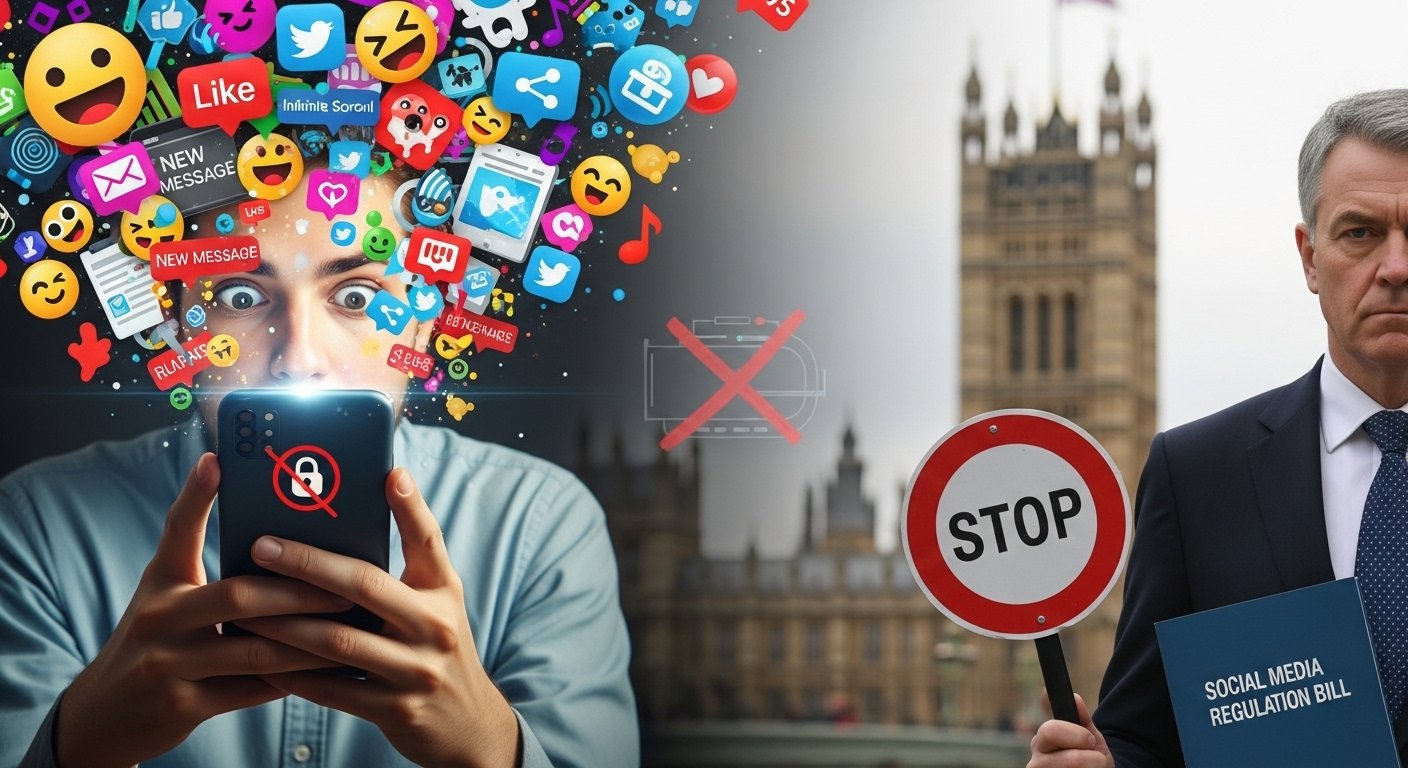
The UK government is taking bold steps to tackle the rise of addictive social media features, aiming to protect the mental health and wellbeing of children. On 16 February 2026, Prime Minister Sir Keir Starmer made it clear that no platform would be exempt from stricter regulation. The focus is on curbing what regulators call “toxic design,” which includes tools that encourage compulsive use of apps and online services.
Key Targeted Features
The crackdown focuses on several social media elements that are designed to keep users hooked. Infinite scrolling allows content to appear endlessly, making it hard for users to stop. Streaks reward users for daily logins and pressure them to maintain records. Notification loops use clever triggers to keep young users constantly engaged. These features, while popular, have raised concerns about their impact on mental health, especially for children.
New Regulatory Measures
The government is also rolling out legislative changes to enforce safer online environments. One proposal is an under-16 social media ban similar to Australia’s, preventing children from accessing major platforms like TikTok, Snapchat, and Instagram. AI chatbot access for minors will also be restricted, closing a legal loophole that previously allowed these services to bypass safety regulations. Jools’ Law, named after a 14-year-old, requires companies to preserve data for at least five days when a child dies, helping families understand circumstances. These measures are designed to act quickly, with powers that enable government enforcement within months rather than waiting years for new legislation.
Role of Ofcom
The media regulator Ofcom will be the main watchdog overseeing the new rules. Under the Online Safety Act 2023, it can fine companies up to £18 million or 10% of global annual turnover if they fail to comply. Ofcom’s existing codes already require social media platforms to assess risks linked to their algorithms and design features. With the new crackdown, these assessments will become more stringent, ensuring that children’s online experiences are safer.
The Broader Impact on Tech Firms
For tech companies, the UK crackdown signals a major shift in how digital products are designed. Features that were once considered engaging may now be seen as legally risky. Companies will need to rethink how they attract and retain users without relying on addictive mechanisms. This could lead to a wave of innovation in creating social platforms that are engaging yet safer for younger audiences. The enforcement measures also send a clear message globally: regulators are serious about digital wellbeing and companies cannot ignore it.
What This Means for Parents and Users
Parents may see these changes as a relief, offering new tools to manage their children’s online activity. Limiting addictive features and restricting access for younger users could reduce screen time and improve mental health outcomes. Users, in general, might notice fewer manipulative design patterns on major platforms. While these regulations are UK-based, their influence could ripple internationally, prompting social media firms to reconsider their global design strategies.
FAQs
What platforms are most affected by this crackdown
Major social media platforms like TikTok, Snapchat, and Instagram will face the strictest regulations.
What is Jools’ Law about
It requires tech firms to preserve a child’s data for at least five days if they pass away, aiding families.
Who enforces these new social media rules
The UK media regulator Ofcom will enforce compliance and can issue significant fines.When will these rules come into effect
Some measures could be enforced within months as the government aims for rapid implementation.