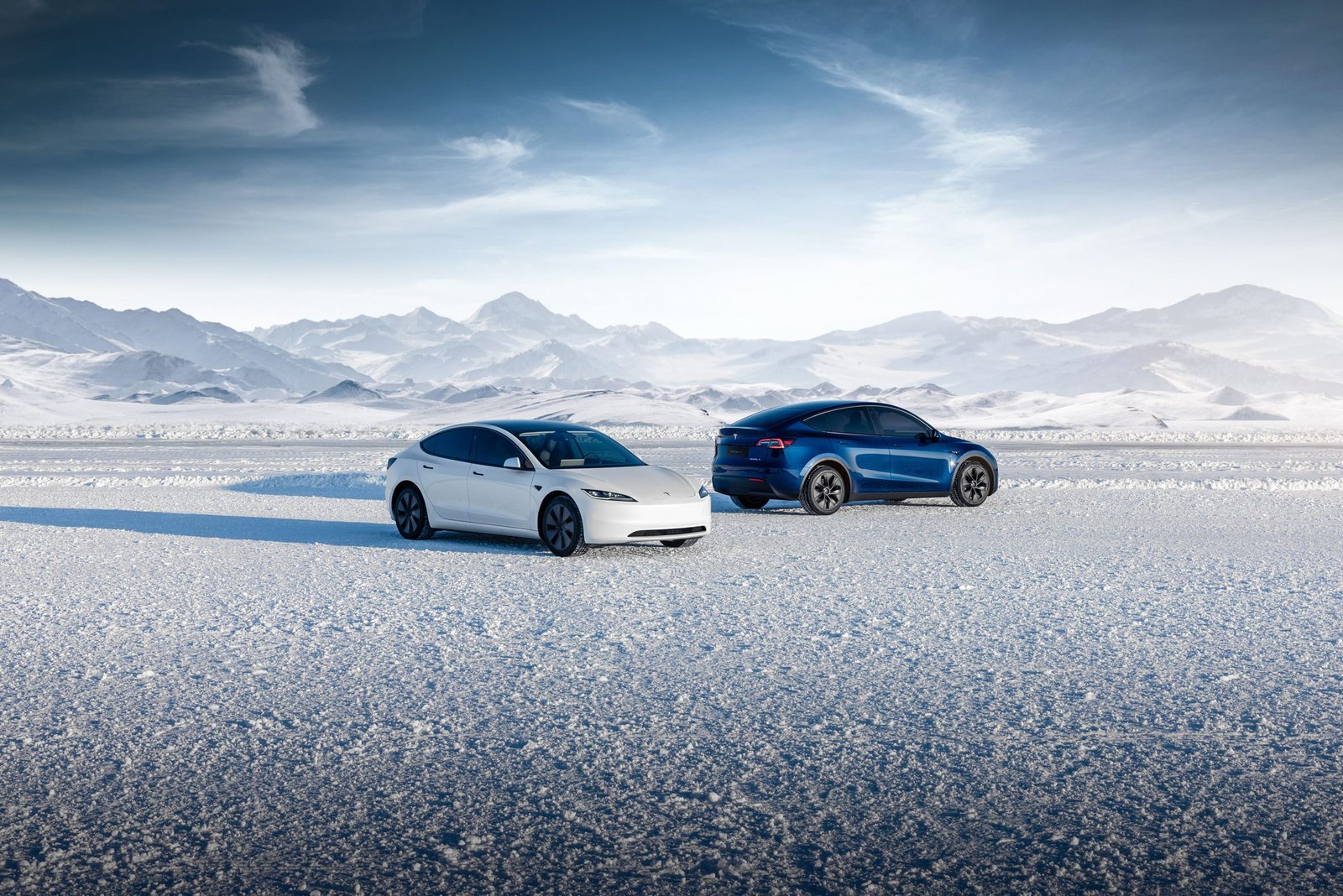

Article Highlights
- The Tesla Model 3 can be an excellent Canadian EV when you have reliable home charging.
- Canadian winter temperatures can significantly affect practical EV range, so advertised range should not be your only consideration.
- Proper winter tires are essential for confident Tesla Model 3 driving in snowy conditions.
- Canadian federal and provincial EV incentives can change the final purchase calculation, so always verify eligibility for the exact configuration.
- Insurance, charging, tires, and winter efficiency should all be included when calculating the real cost of owning a Tesla Model 3.
Buying an electric car in Canada is a very different decision from buying one in a warmer climate. The Tesla Model 3 remains one of the most recognizable electric sedans on the market, but Canadian buyers need to think beyond the advertised range, acceleration, and technology.
The real questions are much more practical. How does the Tesla Model 3 handle Canadian winters? Is home charging available? How much range can you realistically expect in cold weather? What will insurance and tires cost? Does the latest Canadian incentive apply to the version you want?
After looking at the current Canadian market and the ownership factors that matter most, I think the Tesla Model 3 still makes a strong case for many drivers. However, it is not automatically the right EV for everyone.
Why the Tesla Model 3 Still Deserves Your Attention
The Tesla Model 3 has matured considerably since it first became popular. The current car combines a relatively compact sedan body with strong efficiency, fast charging, and a software-focused driving experience.
Tesla Canada currently lists the Model 3 from $42,132 for the Premium RWD configuration in Ontario, with the displayed price including certain fees but excluding HST and licensing costs. Tesla also notes that pricing can change.
That starting figure makes the Tesla Model 3 interesting for Canadians who want an EV without moving into a larger SUV. The biggest advantage is the overall package. The Tesla Model 3 is quick, quiet, and easy to drive in daily traffic. The low battery placement gives the car a planted feel, while the electric powertrain delivers instant response whenever you press the accelerator.
Tesla also continues to emphasize the charging experience. Its Canadian Model 3 page highlights home charging and access to the Supercharger network, with Tesla saying some configurations can add substantial range during a short charging stop. Actual charging speed depends on the vehicle, battery temperature, state of charge, and other conditions.
Canadian Winter Is the Biggest Reality Check
If you live in Toronto, Vancouver, or another relatively mild part of Canada, the Tesla Model 3 may feel very easy to live with. If you live in Winnipeg, Edmonton, Calgary, or northern communities, the winter conversation becomes much more important.
Cold temperatures can reduce EV efficiency because the battery needs more energy to maintain its operating temperature and the cabin requires additional heating. Snowy roads can also increase energy consumption because the car has to work harder to move through difficult conditions.
This does not mean the Tesla Model 3 becomes unusable in winter. It means you should stop thinking about the official range as your everyday winter number.
For example, Tesla lists up to 570 km of EPA-estimated range for the Model 3 on its Canadian website, depending on configuration. Tesla also clearly states that real range varies according to weather, speed, vehicle configuration, battery temperature, and elevation.
My advice is simple. If your normal winter journey requires close to the vehicle’s maximum advertised range, choose a configuration with more range or plan your charging carefully.
Winter Tires Matter More Than the Badge
One of the biggest mistakes a new EV owner can make is focusing too heavily on the drivetrain while ignoring tires. A Tesla Model 3 with good winter tires can be much more confidence-inspiring on Canadian roads than the same vehicle running unsuitable tires.
If you regularly drive on snow and ice, budget for proper winter tires. They are not an optional luxury in many parts of Canada. Good tires improve braking, steering and traction, which matters far more than having an impressive acceleration figure.
This is especially important if you are considering a Rear Wheel Drive Tesla Model 3. Rear Wheel Drive is perfectly workable in winter with appropriate tires and sensible driving, but local weather conditions and your driving habits should determine whether you prefer it over an All Wheel Drive version.
Home Charging Can Change the Entire Ownership Experience
Before buying a Tesla Model 3, I would look at your charging situation before looking at the car’s acceleration. If you can charge at home overnight, the ownership experience becomes dramatically easier. You can wake up with the battery replenished instead of making regular trips to public charging stations.
Tesla itself describes home charging as its most convenient charging option. The company also provides access to Superchargers for longer journeys.
For someone with a garage or reliable residential parking, the Tesla Model 3 can feel almost effortless. You plug it in when you get home and leave with enough energy for the next day’s commute.
Apartment living is different. If you cannot install or reliably access a charger, investigate nearby public charging options before buying.
The Supercharger Network Is a Major Advantage
Long-distance EV travel in Canada has become easier, but charging infrastructure still deserves attention when choosing a vehicle.
The Tesla Model 3 benefits from Tesla’s established Supercharger ecosystem. That can be particularly useful when driving between cities because charging locations can be incorporated into trip planning.
Tesla says its Supercharger network has more than 80,000 global chargers and that charging performance varies according to several factors.
The important point is not simply the number of chargers. It is how conveniently those chargers fit into the routes you actually drive.
If your regular trips involve major Canadian highways, the Tesla Model 3 can be a very convenient road trip vehicle. If you mostly drive locally and charge at home, public charging may barely matter.
Do Not Forget the Cost of Charging
One of the reasons people consider an EV is lower running costs.
Electricity can be considerably cheaper than gasoline for many drivers, especially when most charging happens at home. EVs also have fewer conventional mechanical components that require regular servicing.
The Canadian government lists lower fuel and maintenance costs among the potential benefits of electric vehicles.
However, do not assume every Tesla Model 3 owner will save the same amount. Your electricity rate, annual mileage, winter driving, public charging habits, and insurance premium all affect the final ownership cost.
If you drive a lot and can charge at home, the financial case can become much stronger. If you drive very little and depend heavily on expensive public charging, the savings may be less impressive.
Check Canadian EV Incentives Before You Order
This is one area where I strongly recommend checking the rules immediately before purchasing. Canada’s current Electric Vehicle Affordability Program provides up to $5,000 for eligible battery electric vehicles in 2026. The program generally requires the vehicle’s final transaction value to be $50,000 or less, although Canadian-made vehicles have different rules. Eligibility also depends on manufacturing location and other requirements.
The important detail is that eligibility can vary by vehicle and configuration. Do not assume that because one EV qualifies, every version of the Tesla Model 3 will qualify. Transport Canada says the incentive is applied at the point of sale by an enrolled dealership or authorized seller after eligibility has been confirmed.
Provincial programs can also change the calculation. Canada currently identifies Manitoba, Quebec, and Yukon among jurisdictions offering EV-related incentives, although provincial rules and amounts can change.
Before signing anything, check the exact Model 3 configuration, transaction value, province, and current eligibility list.
What About Tesla Model 3 Range?
Range is one of the most common questions I hear about the Tesla Model 3. The answer depends heavily on which version you buy and how you drive.
Tesla’s Canadian specifications show different Model 3 configurations with different range figures. For example, Tesla lists a Premium RWD configuration at 463 km EPA estimated range and a Performance configuration at 505 km.
Those numbers are useful for comparison, but they should not be treated as guaranteed distances in every Canadian season. Highway driving at higher speeds can reduce efficiency. Cold weather can reduce it further. Heating the cabin, snow-covered roads, and winter tires can all affect consumption.
For Canadian ownership, I would rather have comfortable range remaining after a normal journey than buy a car that only works when conditions are perfect.
The Interior Is Minimalist, and That Is Not for Everyone
The Tesla Model 3 takes a very different approach to the traditional car interior. Much of the vehicle’s information and control experience revolves around the central touchscreen. That creates a clean and modern cabin, but some drivers will prefer physical buttons and conventional instruments.
I recommend testing this before buying rather than deciding from photographs. Sit in the driver’s seat. Adjust the temperature. Check the screen. Try the controls. Load the trunk. Sit in the rear seats. Imagine doing those things during a Canadian winter. The Tesla Model 3 may feel futuristic to one driver and unnecessarily minimalist to another.
Think About Ground Clearance Too
The Tesla Model 3 is a sedan, not an SUV. It becomes important in parts of Canada where heavy snowfall can leave poorly cleared roads. The current Model 3 Performance specification listed by Tesla has 128 mm of ground clearance, while another Model 3 configuration is listed at 138 mm.
That is something to consider if you regularly travel through deep snow or rough rural roads. If your daily route includes well-maintained city streets, the sedan shape is unlikely to be a major problem. If you frequently deal with deep snow, potholes, and poorly maintained roads, a higher vehicle may make more sense.
Tesla Model 3 Maintenance Is Different From a Gas Car
An EV does not need the same routine mechanical maintenance as a gasoline car. There is no conventional engine oil to replace, and regenerative braking can reduce brake wear. However, the Tesla Model 3 is not maintenance-free.
Tires are important. Wheel alignment matters. Cabin filters need attention. Brake components still need inspection. Winter driving can also increase tire wear and energy consumption.
Tesla’s Canadian warranty provides four years or 80,000 km of basic vehicle coverage, whichever comes first. Battery and drive unit coverage varies by configuration, with current Model 3 coverage extending to eight years and either 160,000 km or 192,000 km depending on the version, with a minimum 70 percent battery capacity retention specified for covered vehicles. That battery warranty is an important part of the long-term ownership equation.
Insurance Can Change the Buying Decision
Do not calculate the Tesla Model 3 purchase price without getting an insurance quote. Insurance costs vary by province, driver history, location, coverage level, and vehicle configuration. Repair costs can also influence premiums.
Before placing an order, get a real insurance quotation using the exact model and trim you are considering. A car that looks affordable on paper can become significantly more expensive if its insurance premium is much higher than expected.
Should You Buy a Tesla Model 3 or Model Y?
The Tesla Model 3 makes the most sense if you want a relatively efficient sedan and do not need substantial cargo space. The Model Y becomes more attractive if you regularly carry passengers, sports equipment, family luggage, or bulky items.
The decision is less about which Tesla is better and more about which body style fits your life. For a single driver or couple with a normal commute, the Tesla Model 3 can be an excellent fit. For a family that frequently travels with lots of luggage, the Model Y deserves a serious look.
Tesla Model 3 Versus Other Canadian EVs
The EV market is much more competitive than it was when the Model 3 first became popular. Depending on your province and budget, you should compare the Tesla Model 3 with cars from Hyundai, Kia, Volkswagen, Toyota, Ford, and other manufacturers.
The right comparison should include purchase price, available incentives, winter range, charging speed, charging network access, insurance, warranty and resale value.
Do not choose an EV simply because it has the longest advertised range.
A vehicle with slightly less range but a better local charging network, better winter equipment or lower insurance could be the smarter purchase.
Who Should Buy the Tesla Model 3?
I would seriously consider the Tesla Model 3 if you have home charging, drive a reasonable number of kilometres every year, regularly travel on roads supported by reliable charging infrastructure, and are comfortable with its minimalist, technology-focused interior.
It is particularly appealing if you want quick acceleration, low operating complexity and a mature EV charging ecosystem without moving into a larger SUV. For many Canadian commuters, the Tesla Model 3 can be a very easy car to live with.
Who Should Think Twice?
Consider carefully if you cannot charge at home, regularly drive very long distances in extreme winter conditions, need substantial ground clearance, or strongly prefer traditional physical controls.
I would also be cautious if your budget only works when you assume the maximum advertised range or a government incentive that has not yet been confirmed.
The better approach is to calculate your actual monthly cost using the exact configuration, financing rate, insurance quote, electricity cost, expected mileage, and tire expenses.
My Final Take on the Tesla Model 3 in Canada
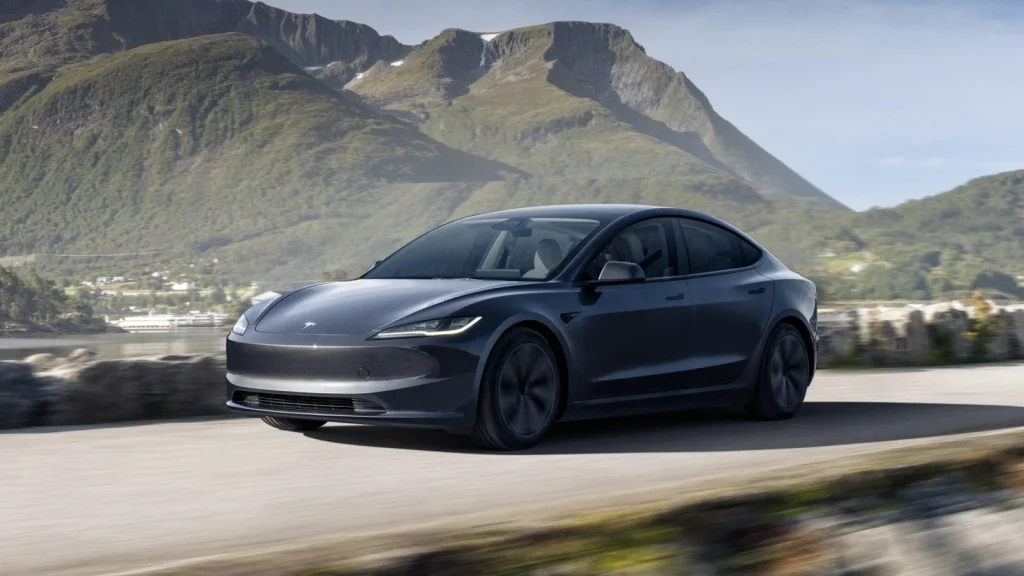
The Tesla Model 3 is still a compelling electric sedan for Canadian drivers, but the buying decision has become more complicated as the EV market has expanded.
Its strengths are clear. The Tesla Model 3 offers strong performance, impressive efficiency, a mature charging ecosystem, and a technology-focused driving experience. Tesla’s current Canadian specifications also show that the car can offer substantial rated range depending on configuration.
Its weaknesses are equally important. Winter conditions can reduce practical range, the low sedan body is not ideal for every snowy environment, insurance needs to be checked carefully, and government incentives must be verified for the exact vehicle you plan to purchase.
My advice is not to buy the Tesla Model 3 simply because it is a Tesla. Buy it because your driving pattern makes sense for an EV, you have a realistic charging plan, and the numbers work after considering Canadian winter conditions.
For readers researching electric cars under the Automotive category, the Tesla Model 3 remains one of the cars worth putting on the shortlist. Just make sure you test drive it, check your winter requirements, and calculate the complete ownership cost before making the final decision.