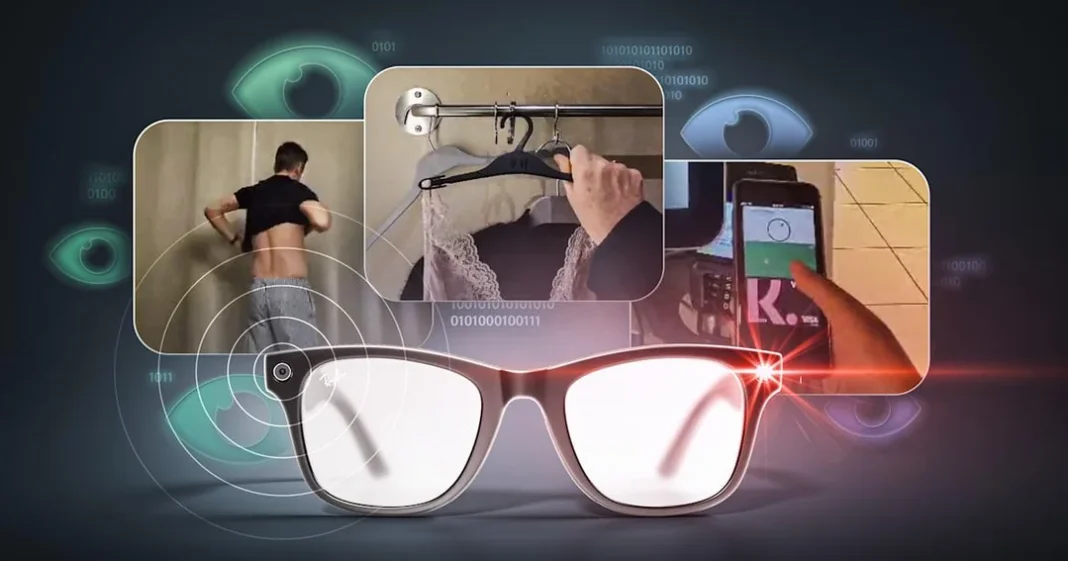

Meta Glasses are facing a fresh privacy controversy after several owners reported that their smart glasses appeared to capture conversations without being intentionally activated. The reports are particularly concerning because some users say the recordings appeared even though they had not said the Hey Meta wake phrase and had disabled settings designed to allow voice interactions without it.
The reports involve Ray-Ban Meta smart glasses, including second- and third-generation models. One owner claimed that the same behavior occurred across three different pairs of Meta Glasses.
According to the Tech Detour report, ordinary conversations were captured and later appeared as audio recordings and text transcripts inside the Meta AI app. The owner also noticed the white notification light turning on while normal conversations were taking place.
This is where the story becomes more complicated. Some reports describe the Meta Glasses as recording while they were in sleep mode or otherwise not deliberately activated.
However, there is currently no evidence showing that every pair of Meta Glasses is continuously recording conversations while sleeping. The available reports come from individual owners, and the exact technical cause has not been publicly explained by Meta.
The issue appears to be connected to unexpected activation of the Meta AI voice system rather than conventional video recording. Meta Glasses are designed to respond to voice commands and provide hands-free access to Meta AI.
Normally, users can activate the assistant with a wake phrase or through other supported controls. The reported problem is that some users say their glasses captured conversations without them intentionally triggering the assistant.
One particularly important detail is that the affected user said the Respond without Hey Meta option was already turned off. Despite that setting, the Meta AI application reportedly contained recordings and transcripts of conversations that were never deliberately submitted to the assistant. The user also connected the problem with a recent firmware update, although that connection has not been independently confirmed by Meta.
Meta has acknowledged that there was an issue, but the company has not publicly provided much technical information about what happened. In a response reported by Android Authority, Meta said the issue had been resolved and reminded users that they can manage, review, and delete voice logs of their interactions with Meta AI through the relevant settings.
That response will probably not completely satisfy privacy-conscious Meta Glasses owners. The biggest unanswered question is what caused the unwanted activations in the first place. Meta has not publicly identified the specific software problem, affected firmware version, or number of devices involved. That makes it difficult for users to know whether their own Meta Glasses were affected or whether they need to take additional steps.
The distinction between listening and recording is also important. Smart glasses need microphones to detect commands and interact with an AI assistant. That does not automatically mean that everything a person says is being stored or transmitted.
A device can monitor audio locally for a wake phrase without saving every conversation. The reported concern is different because some owners say actual recordings and transcripts appeared in their Meta AI history without deliberate activation.
The notification light adds another layer to the controversy. Meta Glasses use visible indicators to help people understand when certain camera functions are active. Users have previously raised concerns about whether people nearby can easily recognize when smart glasses are recording.
In this latest situation, reports of the light activating during ordinary conversations have increased concerns that the glasses may have been entering an unexpected recording or voice interaction state.
For anyone who owns Meta Glasses, the practical response is to check the Meta AI application and review voice-related privacy settings. Users should also review their voice activity history and delete recordings they do not recognize. Keeping the glasses and Meta AI application updated is also important, particularly because Meta has said the reported issue has been resolved.
Users who regularly wear Meta Glasses in private conversations may also want to temporarily disable voice activation if they are uncomfortable with the possibility of unintended interactions. This is especially relevant in bedrooms, workplaces, meetings and other locations where conversations may contain sensitive information.
The incident highlights a broader problem with AI wearables. A smartphone is normally visible when its microphone or camera is being used. Smart glasses are different because they sit on a person’s face and can collect information without appearing to be actively operated. That convenience is one of the main attractions of Meta Glasses, but it also creates a much higher expectation of transparency.
Privacy becomes even more important when the device is worn around other people. Someone speaking to a Meta Glasses wearer may not know whether an AI assistant has been activated or whether an audio interaction is being stored. That creates a consent problem that goes beyond the person who owns the device.
Meta Glasses are increasingly becoming more capable, with cameras, microphones, speakers, and AI features packed into a normal-looking pair of glasses. That combination makes them useful for hands-free photography, calls, navigation, and AI assistance. At the same time, every additional sensor increases the importance of clear privacy controls.
The current reports should therefore be taken seriously without jumping to the conclusion that Meta Glasses are deliberately spying on everyone.
There is a significant difference between an accidental software activation and a system intentionally designed to record people secretly. At this stage, the evidence points to reports of unintended recordings and an issue that Meta says it has fixed. It does not establish that all Meta Glasses were recording continuously in sleep mode.
Still, the lack of a detailed explanation leaves an uncomfortable gap. If a software update caused Meta Glasses to capture conversations unexpectedly, users deserve to know what went wrong and how the company prevented the problem from returning. Clear information about when audio is processed, when it is stored, and when it is deleted would also help users make informed decisions.
The controversy could become an important test for the future of AI glasses. Meta Glasses are part of a larger movement toward wearable AI, and other companies are also developing devices that combine cameras, microphones, and artificial intelligence. If consumers are expected to wear these products throughout the day, manufacturers will need to make privacy protections extremely clear and reliable.
For now, owners should not assume that every pair of Meta Glasses is affected. The available reports are limited, and Meta says the issue has been resolved. However, anyone who notices unexpected voice recordings, unfamiliar transcripts, or unusual activation of their glasses should check their Meta AI history and privacy settings.
The biggest lesson from the Meta Glasses controversy is simple. AI wearables need to earn trust. People can accept microphones and cameras on their faces when they understand exactly when those sensors are active and what happens to the information they collect. Unexpected recordings undermine that trust quickly.
Meta Glasses remain an interesting example of how quickly artificial intelligence is moving from smartphones into everyday objects. But as these devices become more capable, privacy cannot be treated as an optional feature. The latest reports show why users need reliable indicators, straightforward controls, and clear explanations whenever something goes wrong.